

Test to see if You Need to Replace Your Windows
Windows play an important role in your home’s energy efficiency, comfort, security, and overall aesthetic. Just like other aspects of your home, windows don’t last forever. They eventually wear out, break, and leak. Windows typically account for around 15% of a home’s wall space, so they definitely merit attention. A regular maintenance schedule is generally a good idea. Another important aspect of home maintenance is knowing when to replace vs repair a broken window. In this guide, we’ll go over the signs of window decay and how to test to see if you need new windows.
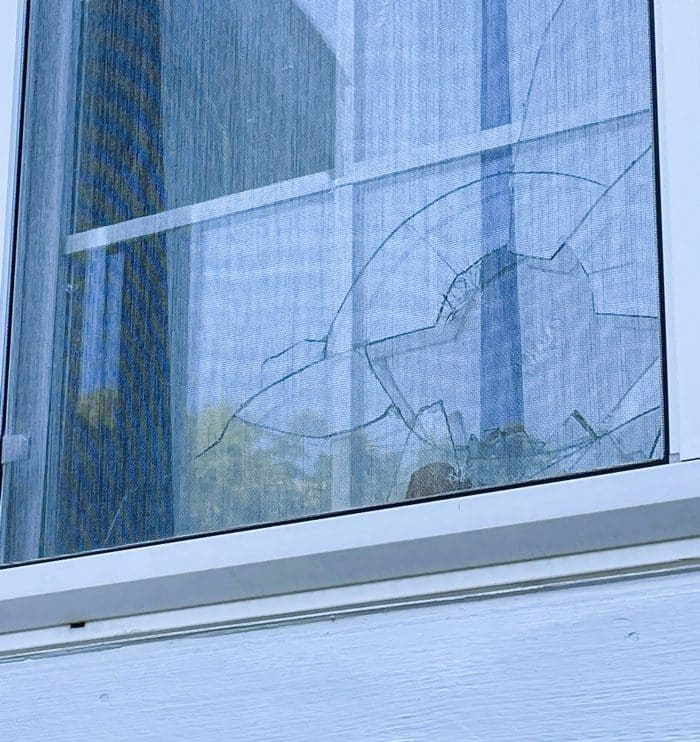
Top Seven Signs of Window Decay
Signs that you need new windows include:
- High energy bills
- Foggy windows or condensation
- Poor curb appeal due to decay or outdated style
- Increased noise
- Cracked or broken glass
- Trim stains or spongy wood
- Cold spots or drafts in your home
Neglecting your windows can result in potential problems in your home that can be expensive. If you have noticed any of these signs, it may be a good time to test if it’s time to replace your windows.
Testing your Windows
Simple tools that will help:
- Flashlight
- Sheet of paper
- Incense stick or a candle
- Infrared camera or thermometer (optional)
Test #1 – Visual Inspection
A simple but thorough visual inspection of each window inside and out can reveal many potential problems. Make a checklist and inspect each window for:
- Broken or cracked glass
- Cracked or brittle caulking
- Visible rot or warping of wood frames
- Worn weather stripping
- Bubbling or peeling paint on the wood around the window
- Water stains or soft trim
- Condensation or fog on or between window panes
Test #2 – Window Operation
Swollen sashes, warped frames, or failed hardware are signs that your window is done for, and replacement is necessary. To test the operating function of your windows, try to open and close each window. Make note of whether you need to force the windows open. Or the windows do not fully open or close. If the hardware is in good condition and the windows lock properly.
If you struggle to open or shut your windows, it’s definitely time for replacement. Windows that are stuck, don’t operate easily, or don’t lock properly aren’t just an annoyance; they’re a potential safety risk. Having a professional install a new replacement window ensures smooth operation and secure locks.
Test #3 – Air Leaks
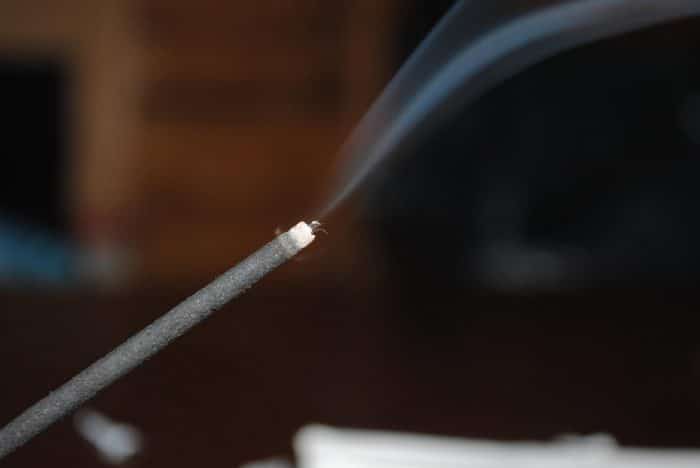
Finding drafts due to air leaks is one of the most critical steps in testing your windows. Leaky spots lead to the loss of heated or cooled air from your home, driving up your energy bills. Even small air leaks can create comfort issues in your home. While some issues are large enough to spot with the naked eye, others require further testing. To test for air leaks, first close all of the windows and doors in your house. Use one or more of these methods to look for potential drafts.
Paper test – try closing a sheet of paper in the window. If you can pull it out easily, you may have air leakage.
Candle test – Light a candle and hold it up near the window frame. If the flame flickers, you may have air moving through the gaps.
Flashlight test – To observe leaks that are large enough for light to shine through, you’ll need a helper. Wait until it’s dark outside. Turn your interior lights off. Have your helper shine a flashlight around the interior edges of your window while you stand outside and look to see if any pinpricks of light are shining through the frame. If your window units are in otherwise acceptable condition, you may be able to seal these air leaks with caulk.
Smoke test – Some air leaks are so small that you need to conduct a smoke test to see them. To negatively pressurize your house, make sure all of your windows and doors are shut. Turn on any exhaust fans in your home, such as in the kitchen or bathroom. This step forces air to be drawn in through any gaps in your home’s exterior.
Next, light an incense stick. Once it’s smoking, hold it up close to each of your windows. Watch how the smoke swirls to identify any leaks and drafts. If you have already attempted to seal any visible holes with caulk but the smoke test still reveals air leakage, it may be a sign that it’s time for new windows.
Infrared Thermometer test – Wait for a cold morning. Take an infrared camera or thermometer outside and aim it at your house. As you do this, remember that hot areas appear as white, red, yellow, or orange, and cold spots appear green, blue, teal, or black. As an indication of minimal heat loss, ideally, window panes should appear yellow to green. If your windows appear red, orange, or bright white on an infrared camera, you are losing large amounts of heat, which is a clear sign that it’s time for new energy-efficient modern windows.

Eventually, the windows in your home will wear out and need to be replaced. Waiting to replace old or ineffective windows in your home can lead to costly issues. Fortunately, home window replacement is one of the improvement projects that you can accomplish with minimal effort. A professional can handle the entire project from start to finish.
Having new replacement windows professionally installed in your house can increase your home’s energy efficiency, elevate your home’s curb appeal, and improve your draft-free comfort level. At Dick’s Rancho Glass, we have many years of experience in home window replacement, and we are happy to serve homeowners throughout the Sacramento Area. To keep your home beautiful and energy efficient, we are proud to offer a large selection of new energy-efficient windows, including high-quality Milgard® windows. To begin exploring your replacement window options, check out our gallery, give us a call, click here to contact us, or visit one of our two glass showrooms in the Sacramento region:
Dick’s Rancho Glass Sacramento at 2900 ROUTIER ROAD
Or call us at (916)363-6554
Dick’s Rancho Glass Fair Oaks at 5349 SAN JUAN AVE.
Or call us at (916)863-2500
~ At Dick’s Rancho Glass, our versatility and pride of craftsmanship are keys to our success. Our excellent reputation has been built on the foundations of quality, reliability, and maintaining a dedicated staff. ~